The support your environment needs.
For operations and IT teams relying on flows, apps, and systems that nobody owns. I build, monitor, fix, and govern your estate on a fractional model.
Unowned platforms break quietly.
Common scenario: Important systems suddenly stop working and nobody knows why. Someone has to dig through the history, resolve the issue, and - if possible - remediate any downstream consequences. What happened?
Nobody owns the whole.
Integrations change, connections expire, permissions sprawl. The real cost of an unowned platform is that no one is accountable for the estate as a whole.
The integrated owner.
I care for the platform as a whole, so your team can focus on productive work. This ranges from short-term engagements to ongoing support at various levels of ownership.
See how engagements work→Start small. Expand as needed.
Three estates, put right.
Hear from real (anonymized) client stories.
At a ~120 person professional-services firm, every new project needed its own SharePoint site. Each was built by hand, set up differently, and every access change meant a helpdesk ticket. The manual tax was heavy and the results were inconsistent.
I built an event-driven system across the CRM, Power Automate, and SharePoint that generates a fully standardized site the moment a project record is created. A request queue lets simultaneous events process without collisions, and a delegated-permissions layer lets managers grant granular, per-library access themselves.
About 10 standardized workspaces now get created each week with zero manual setup, and a whole category of access-change tickets disappeared.
About 15 business-critical Power Platform solutions ran internal operations with no QA, testing, or monitoring. When something broke, it broke silently, and bug reports came only from end users. A tangle of solution dependencies made clean, compartmentalized deployments impossible.
I put in a full solution lifecycle: controlled deployments, single-ownership components, and shared services, plus a custom unified error-logging and alerting system. Then I trained the team on the patterns so the discipline outlasted any one person.
Compartmentalized deployments got faster with fewer errors, cutting developer cost. The error-logging system, built into every solution, caught over 70% of issues before a user noticed. Support shifted from reactive to proactive, and user confidence rose.
A third-party provider's API was unstable, with intermittent outages and token failures, and its data was keyed into the CRM by hand: slow, repetitive, and error-prone. Naive integrations collapsed whenever the upstream service hiccupped.
I designed a caching and synchronization layer that audits, refreshes, and normalizes on a schedule, with built-in retry logic, automatic token-lifecycle management, and a reusable error-handling framework. Downstream syncs kept running even when the upstream service did not.
It was still running in production at handoff, surviving the API's regular instability. The CRM gained a reliable single source of truth, and 3 to 4 hours of manual work disappeared each week.
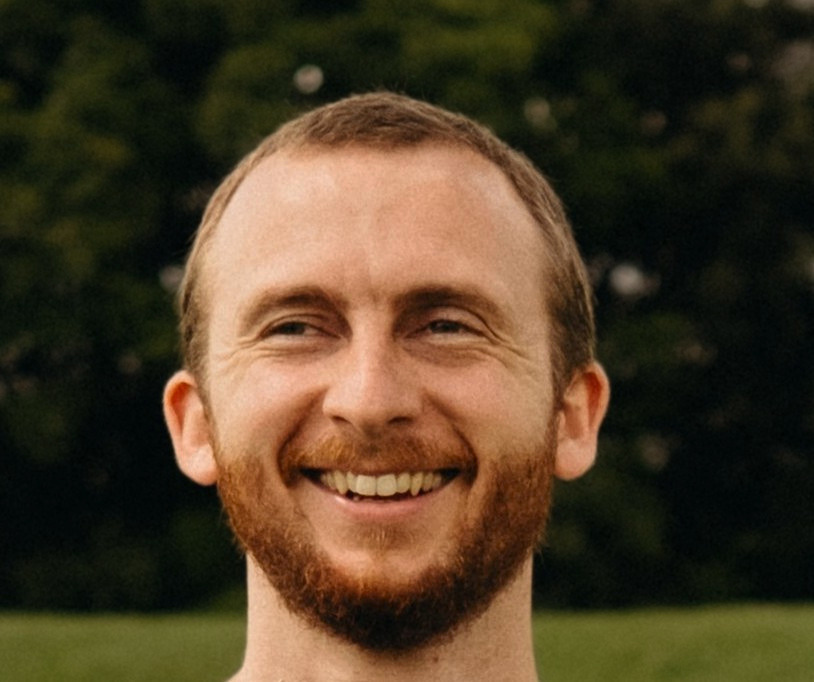
Years of running one platform, end to end.
I've spent years as the sole owner of an organization's Power Platform estate: building, monitoring, fixing, and governing it on a daily basis.
I now offer that same function fractionally.
I’ve delivered end-to-end solutions across Azure (GCC), SharePoint Online, Power Platform, and Salesforce in secure enterprise systems and regulated environments. A sprawling ecosystem and shipwrecked ALM don't scare me.
I have a low-ego and collaborative approach. No drama. I'm just here to fix the problem.
Common questions.
Ongoing support for your estate without hiring a full-time employee. I cover monitoring, break-fix, building, and governance on a recurring basis. The level of support provided can flex from project-based engagements up to complete ownership and responsibility.
That's a common starting point. A health check is sized to a small estate and tells you where the real risks are. Often it's a few silent failures and some expiring connections, not a rebuild.
With a fixed-scope health check. From there you decide whether any ongoing support is beneficial.
Yes. I can sit alongside or behind an existing partner as added delivery capacity, white-label if needed. Your client and vendor relationships stay yours.
Start with a health check.
Engagements start with a fixed-scope check. Tell me a little about your estate and I'll reply with concrete next steps.
benjamin@stillwaterplatform.co